CAPIVERSO / Vidéos

Vidéos.

Explorez l’anglais à votre rythme. Lisez, écoutez et apprenez, une découverte à la fois.

health

My stroke of insight

Jill Bolte Taylor got a research opportunity few brain scientists would wish for: She had a massive stroke, and watched as her brain functions -- motion, speech, self-awareness -- shut down one by one. An astonishing story.

neurosciencehealth
Explorer le contenu

How I held my breath for 17 minutes

In this highly personal talk from TEDMED, magician and stuntman David Blaine describes what it took to hold his breath underwater for 17 minutes -- a world record (only two minutes shorter than this entire talk!) -- and what his often death-defying work means to him. Warning: do NOT try this at home.

artshealth
Explorer le contenu

How to make stress your friend

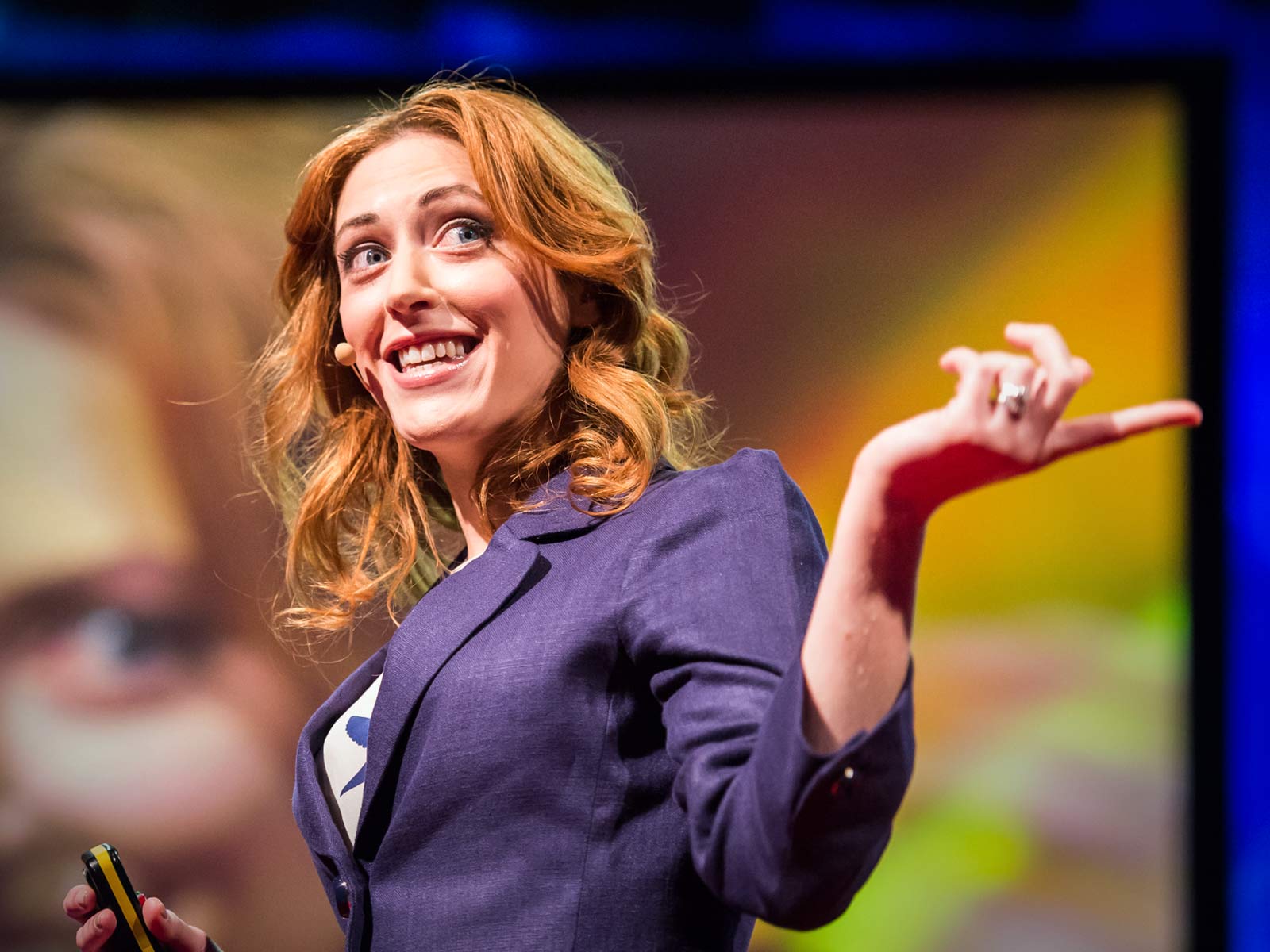
Stress. It makes your heart pound, your breathing quicken and your forehead sweat. But while stress has been made into a public health enemy, new research suggests that stress may only be bad for you if you believe that to be the case. Psychologist Kelly McGonigal urges us to see stress as a positive, and introduces us to an unsung mechanism for stress reduction: reaching out to others.

healthpsychology
Explorer le contenu

What makes a good life? Lessons from the longest study on happiness

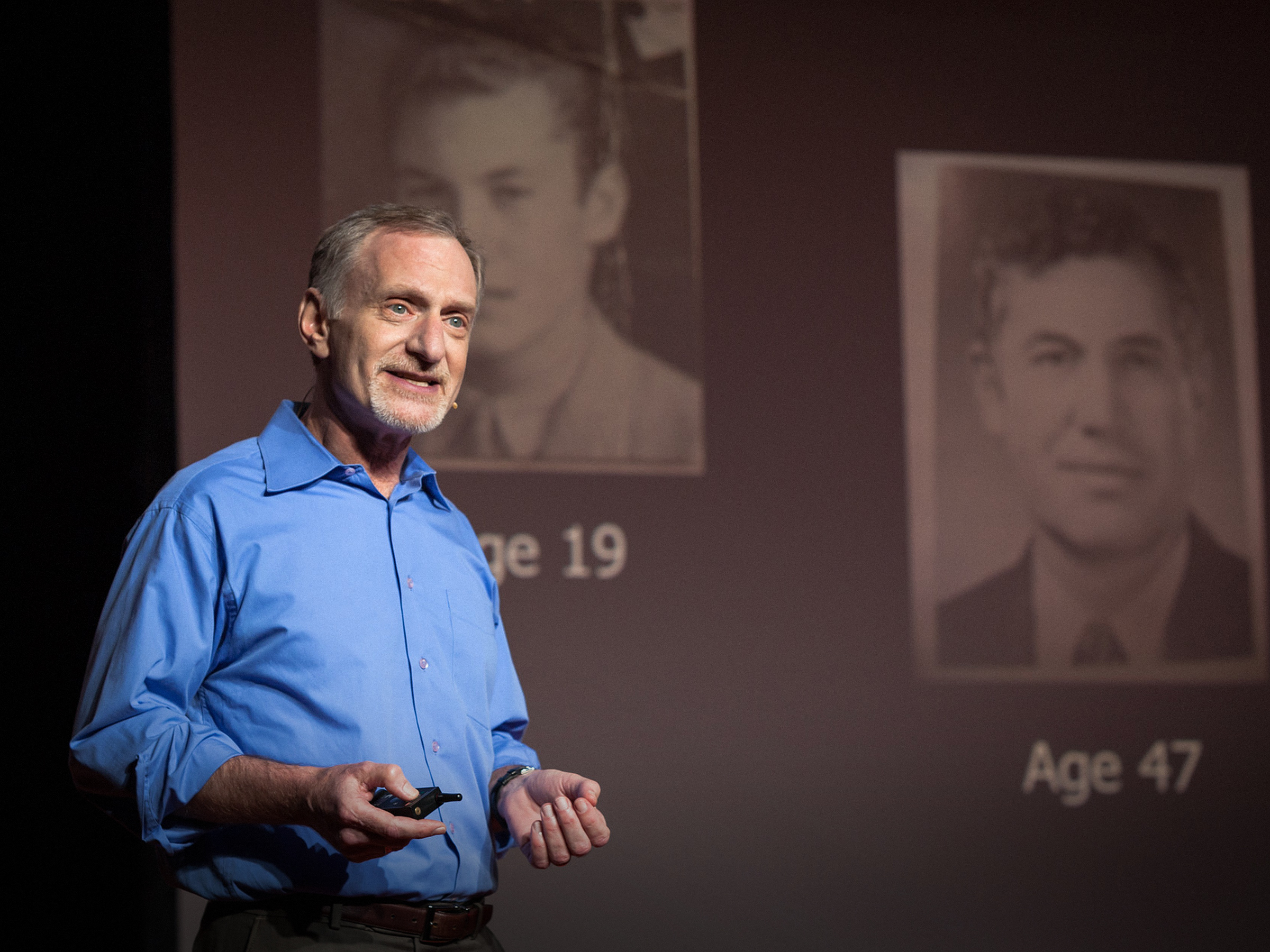
What keeps us happy and healthy as we go through life? If you think it's fame and money, you're not alone – but, according to psychiatrist Robert Waldinger, you're mistaken. As the director of a 75-year-old study on adult development, Waldinger has unprecedented access to data on true happiness and satisfaction. In this talk, he shares three important lessons learned from the study as well as some practical, old-as-the-hills wisdom on how to build a fulfilling, long life.

healthpsychology
Explorer le contenu

Teach every child about food

Sharing powerful stories from his anti-obesity project in Huntington, West Virginia -- and a shocking image of the sugar we eat -- TED Prize winner Jamie Oliver makes the case for an all-out assault on our ignorance of food.

healtheducation
Explorer le contenu

All it takes is 10 mindful minutes

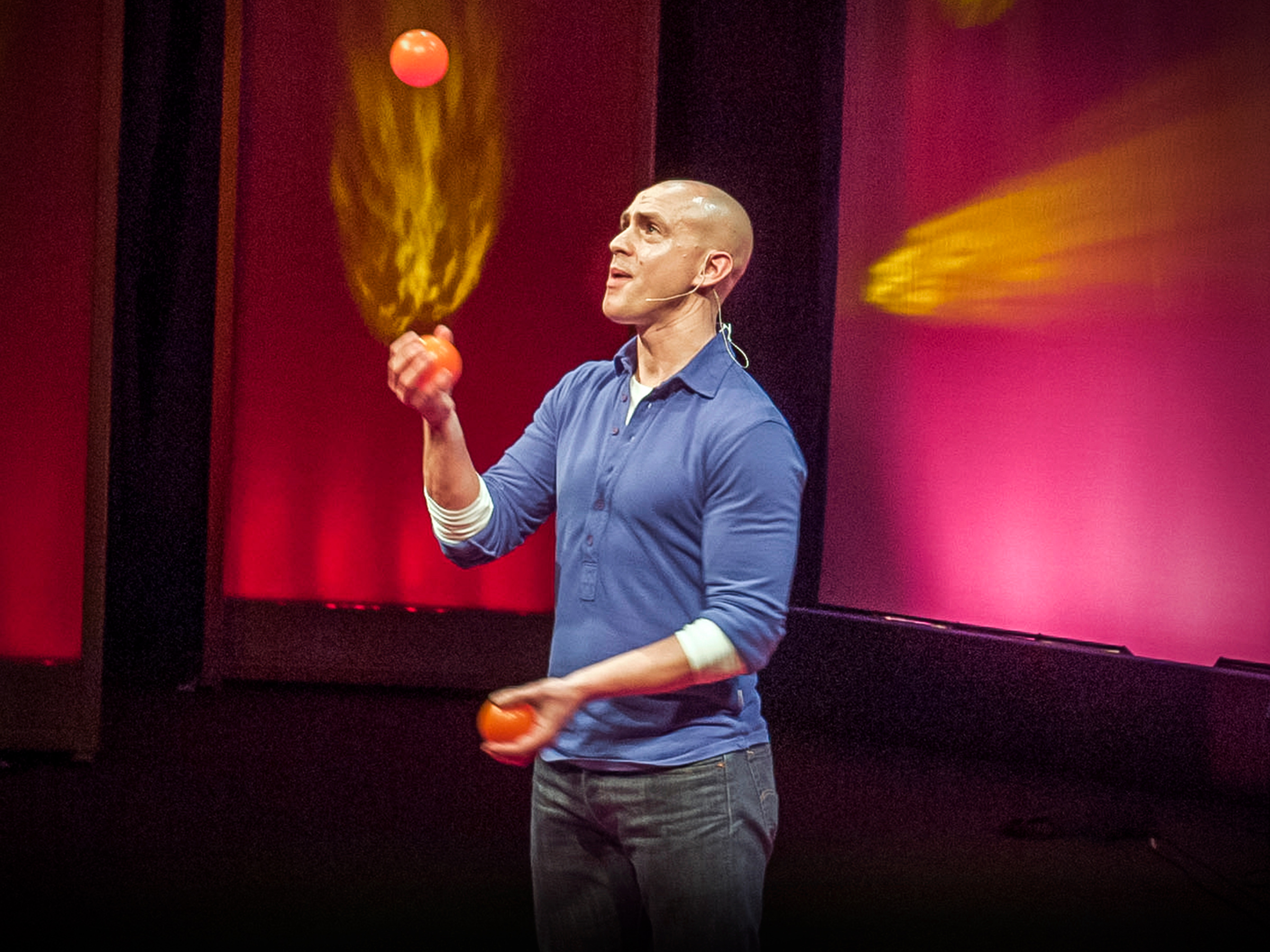
When is the last time you did absolutely nothing for 10 whole minutes? Not texting, talking or even thinking? Mindfulness expert Andy Puddicombe describes the transformative power of doing just that: Refreshing your mind for 10 minutes a day, simply by being mindful and experiencing the present moment. (No need for incense or sitting in uncomfortable positions.)

healthpsychology
Explorer le contenu

How to stay calm when you know you'll be stressed

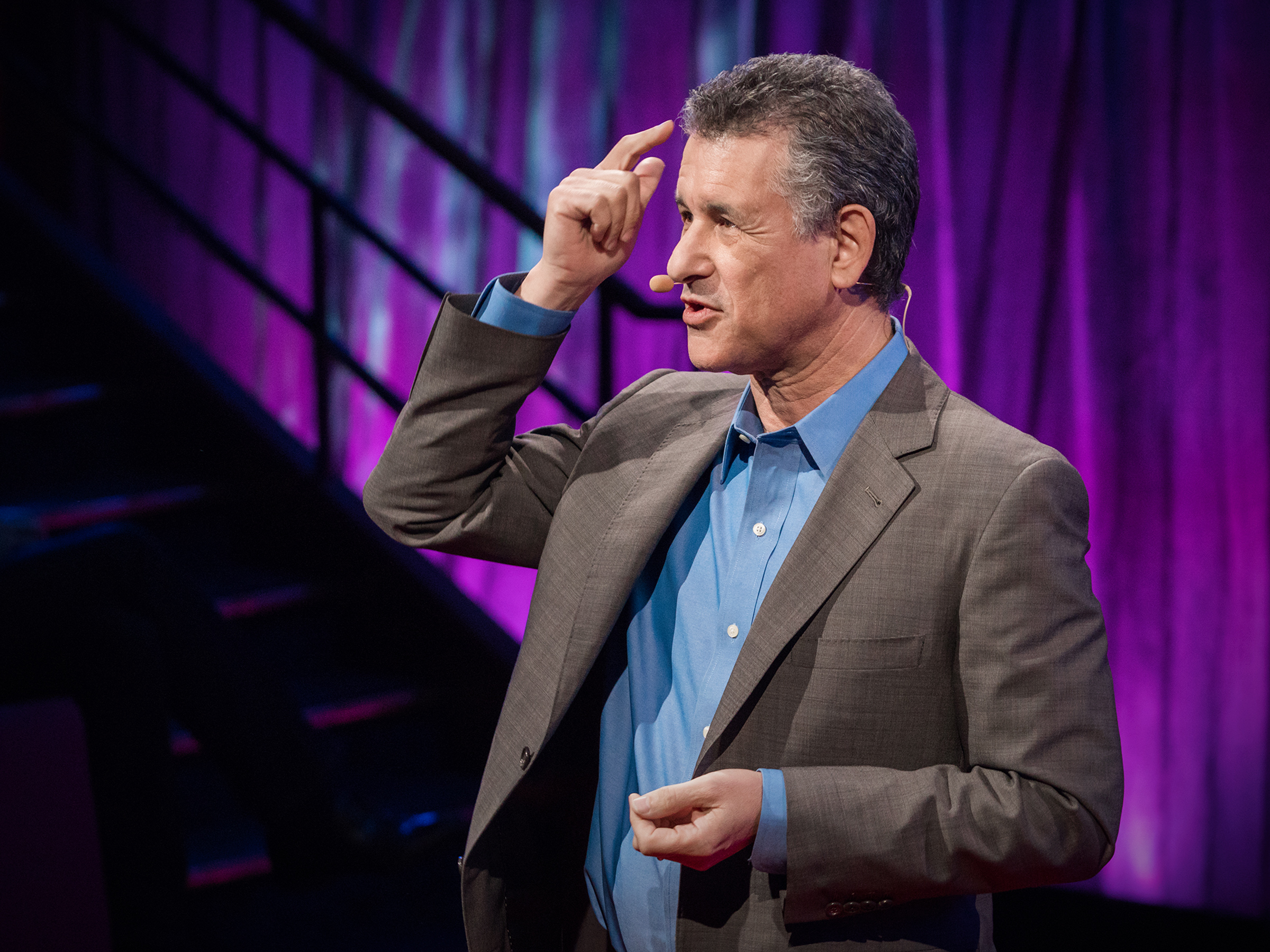
You're not at your best when you're stressed. In fact, your brain has evolved over millennia to release cortisol in stressful situations, inhibiting rational, logical thinking but potentially helping you survive, say, being attacked by a lion. Neuroscientist Daniel Levitin thinks there's a way to avoid making critical mistakes in stressful situations, when your thinking becomes clouded -- the pre-mortem. "We all are going to fail now and then," he says. "The idea is to think ahead to what those failures might be."

neurosciencehealth
Explorer le contenu

The habits of happiness

What is happiness, and how can we all get some? Biochemist turned Buddhist monk Matthieu Ricard says we can train our minds in habits of well-being, to generate a true sense of serenity and fulfillment.

healthneuroscience
Explorer le contenu

The new bionics that let us run, climb and dance

Hugh Herr is building the next generation of bionic limbs, robotic prosthetics inspired by nature's own designs. Herr lost both legs in a climbing accident 30 years ago; now, as the head of the MIT Media Lab’s Biomechatronics group, he shows his incredible technology in a talk that's both technical and deeply personal — with the help of ballroom dancer Adrianne Haslet-Davis, who lost her left leg in the 2013 Boston Marathon bombing, and performs again for the first time on the TED stage.

technologyhealth
Explorer le contenu

Depression, the secret we share

"The opposite of depression is not happiness, but vitality, and it was vitality that seemed to seep away from me in that moment." In a talk equal parts eloquent and devastating, writer Andrew Solomon takes you to the darkest corners of his mind during the years he battled depression. That led him to an eye-opening journey across the world to interview others with depression -- only to discover that, to his surprise, the more he talked, the more people wanted to tell their own stories.

healthpsychology
Explorer le contenu

Why do we sleep?

Russell Foster is a circadian neuroscientist: He studies the sleep cycles of the brain. And he asks: What do we know about sleep? Not a lot, it turns out, for something we do with one-third of our lives. In this talk, Foster shares three popular theories about why we sleep, busts some myths about how much sleep we need at different ages -- and hints at some bold new uses of sleep as a predictor of mental health.

neurosciencehealth
Explorer le contenu

Everything you think you know about addiction is wrong

What really causes addiction -- to everything from cocaine to smart-phones? And how can we overcome it? Johann Hari has seen our current methods fail firsthand, as he has watched loved ones struggle to manage their addictions. He started to wonder why we treat addicts the way we do -- and if there might be a better way. As he shares in this deeply personal talk, his questions took him around the world, and unearthed some surprising and hopeful ways of thinking about an age-old problem.

societyhealth
Explorer le contenu