The habits of happiness
What is happiness, and how can we all get some? Biochemist turned Buddhist monk Matthieu Ricard says we can train our minds in habits of well-being, to generate a true sense of serenity and fulfillment.
Explore contentCAPIVERSO / Videos
Explore English at your own pace. Read, listen and learn, one discovery at a time.
What is happiness, and how can we all get some? Biochemist turned Buddhist monk Matthieu Ricard says we can train our minds in habits of well-being, to generate a true sense of serenity and fulfillment.
Explore contentAfter its final servicing mission, Hubble opens its rejuvenated eyes and presents new images together with the science made possible by its upgraded instruments. Credit: ESA/Hubble (M. Kornmesser, Colleen Sharkey & Lars Lindberg Christensen)
Explore contentBacked by stunning illustrations, David Christian narrates a complete history of the universe, from the Big Bang to the Internet, in a riveting 18 minutes. This is "Big History": an enlightening, wide-angle look at complexity, life and humanity, set against our slim share of the cosmic timeline.
Explore content"Tipping Point" author Malcolm Gladwell gets inside the food industry's pursuit of the perfect spaghetti sauce -- and makes a larger argument about the nature of choice and happiness.
Explore contentHugh Herr is building the next generation of bionic limbs, robotic prosthetics inspired by nature's own designs. Herr lost both legs in a climbing accident 30 years ago; now, as the head of the MIT Media Lab’s Biomechatronics group, he shows his incredible technology in a talk that's both technical and deeply personal — with the help of ballroom dancer Adrianne Haslet-Davis, who lost her left leg in the 2013 Boston Marathon bombing, and performs again for the first time on the TED stage.
Explore contentRita Pierson, a teacher for 40 years, once heard a colleague say, "They don't pay me to like the kids." Her response: "Kids don't learn from people they don't like.'" A rousing call to educators to believe in their students and actually connect with them on a real, human, personal level.
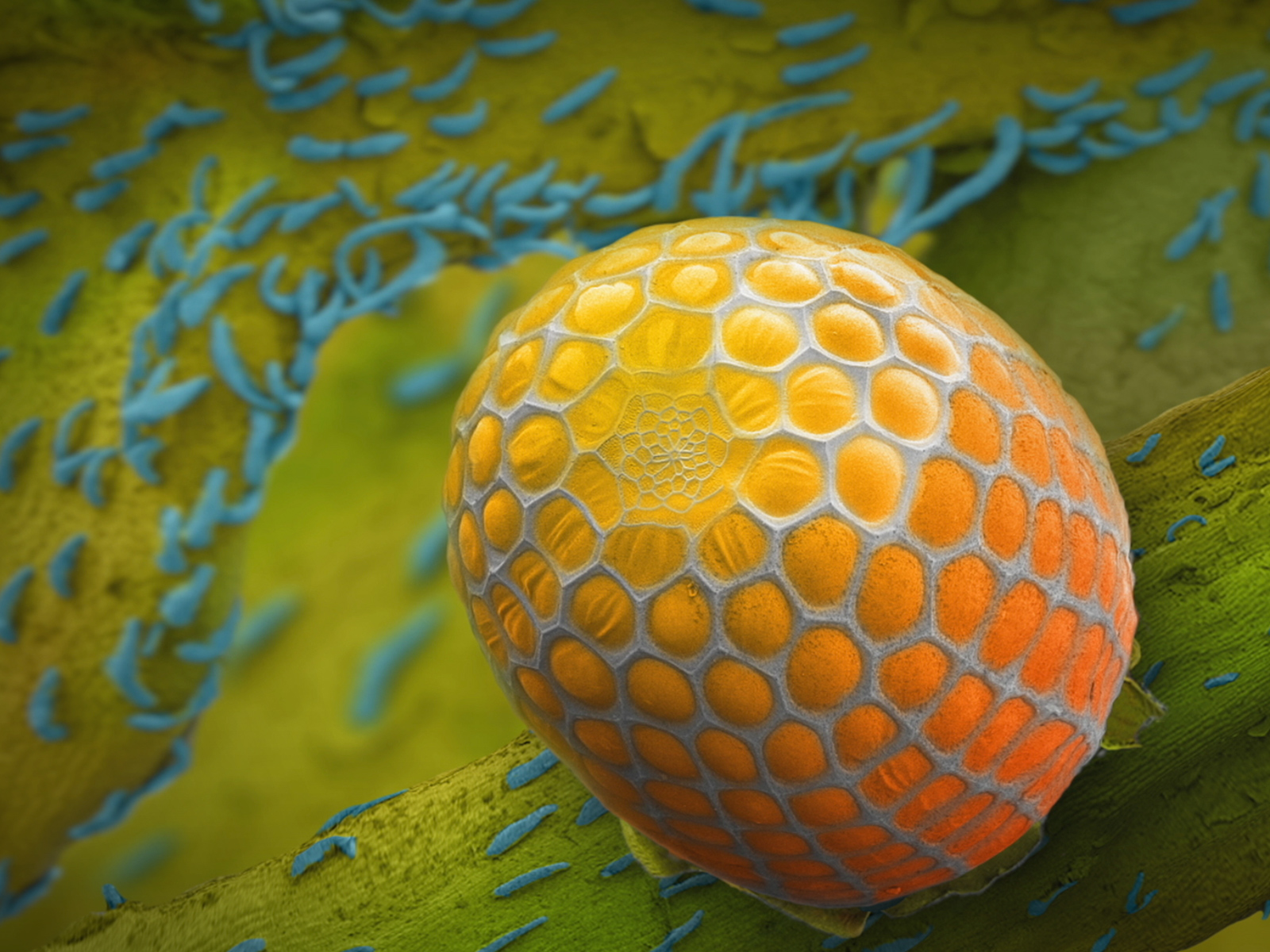
Explore contentWe live in a world of unseeable beauty, so subtle and delicate that it is imperceptible to the human eye. To bring this invisible world to light, filmmaker Louie Schwartzberg bends the boundaries of time and space with high-speed cameras, time lapses and microscopes. At TED2014, he shares highlights from his latest project, a 3D film titled "Mysteries of the Unseen World," which slows down, speeds up, and magnifies the astonishing wonders of nature.
Explore contentRussell Foster is a circadian neuroscientist: He studies the sleep cycles of the brain. And he asks: What do we know about sleep? Not a lot, it turns out, for something we do with one-third of our lives. In this talk, Foster shares three popular theories about why we sleep, busts some myths about how much sleep we need at different ages -- and hints at some bold new uses of sleep as a predictor of mental health.
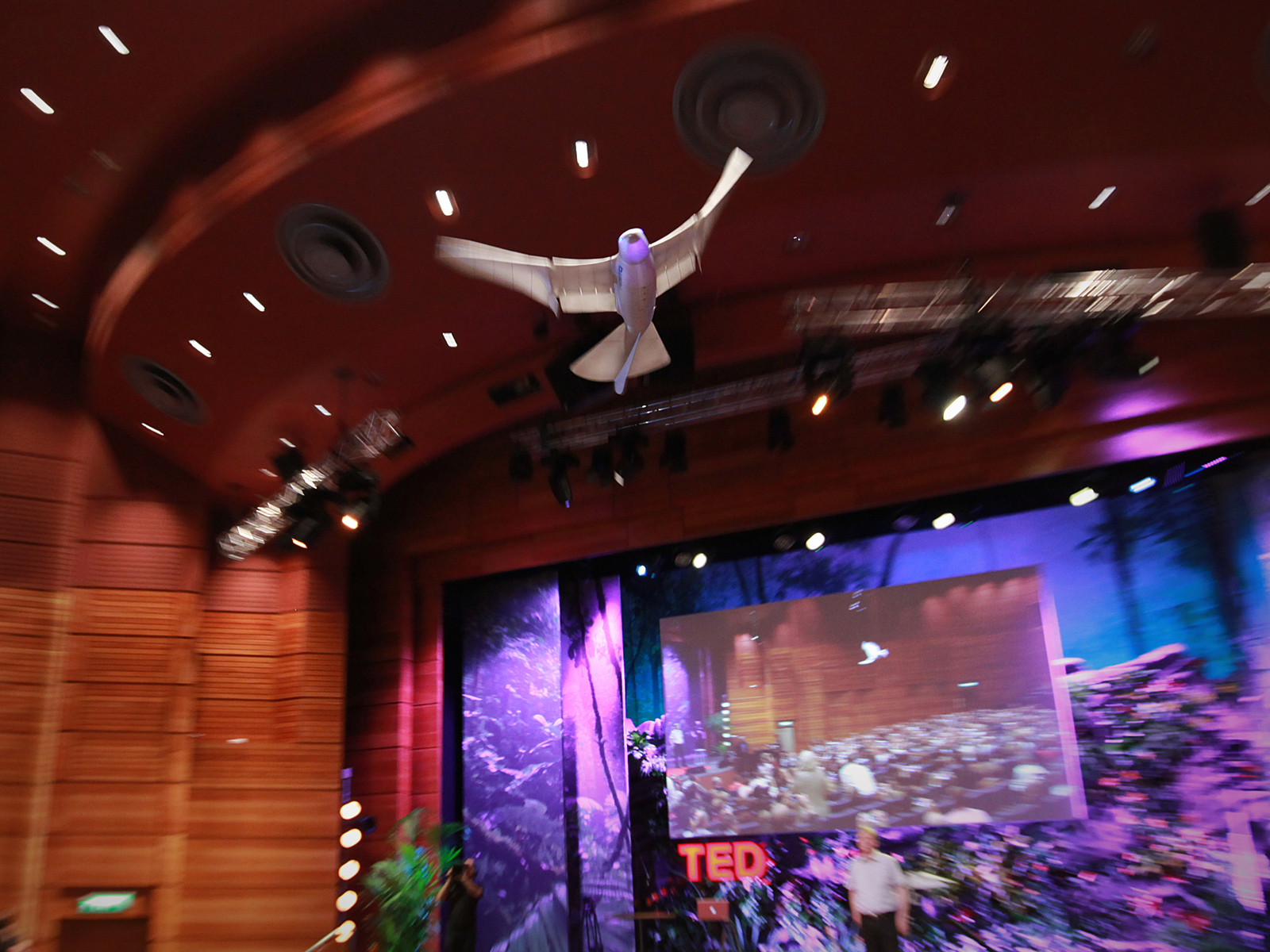
Explore contentPlenty of robots can fly -- but none can fly like a real bird. That is, until Markus Fischer and his team at Festo built SmartBird, a large, lightweight robot, modeled on a seagull, that flies by flapping its wings. A soaring demo fresh from TEDGlobal 2011.
Explore contentTerry Moore found out he'd been tying his shoes the wrong way his whole life. In the spirit of TED, he takes the stage to share a better way. (Historical note: This was the very first 3-minute audience talk given from the TED stage, in 2005.)
Explore contentWhen game designer Jane McGonigal found herself bedridden and suicidal following a severe concussion, she had a fascinating idea for how to get better. She dove into the scientific research and created the healing game, SuperBetter. In this moving talk, McGonigal explains how a game can boost resilience -- and promises to add 7.5 minutes to your life.
Explore contentImage-maker Alexander Tsiaras shares a powerful medical visualization, showing human development from conception to birth and beyond. (Some graphic images.)
Explore content