CAPIVERSO / Videos

Videos.

Explore English at your own pace. Read, listen and learn, one discovery at a time.

health

My stroke of insight

Jill Bolte Taylor got a research opportunity few brain scientists would wish for: She had a massive stroke, and watched as her brain functions -- motion, speech, self-awareness -- shut down one by one. An astonishing story.

neurosciencehealth
Explore content

Teach every child about food

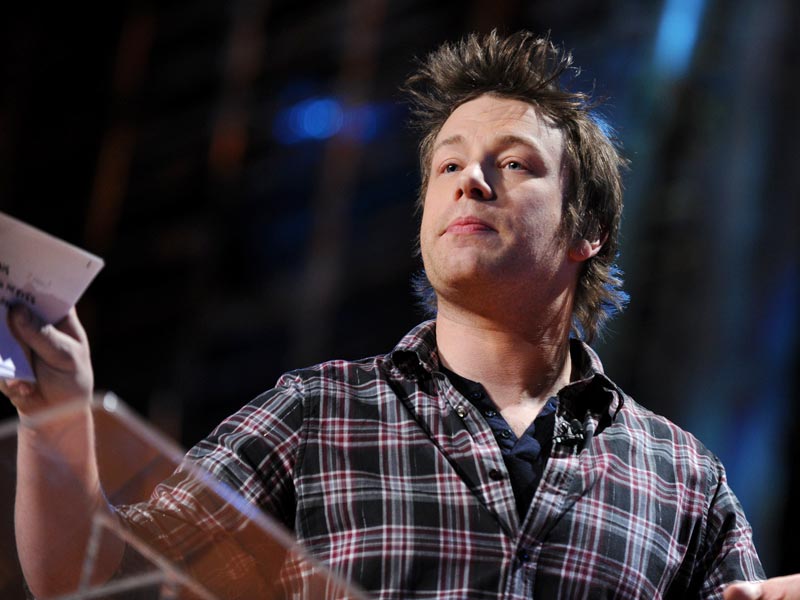
Sharing powerful stories from his anti-obesity project in Huntington, West Virginia -- and a shocking image of the sugar we eat -- TED Prize winner Jamie Oliver makes the case for an all-out assault on our ignorance of food.

healtheducation
Explore content

How to stay calm when you know you'll be stressed

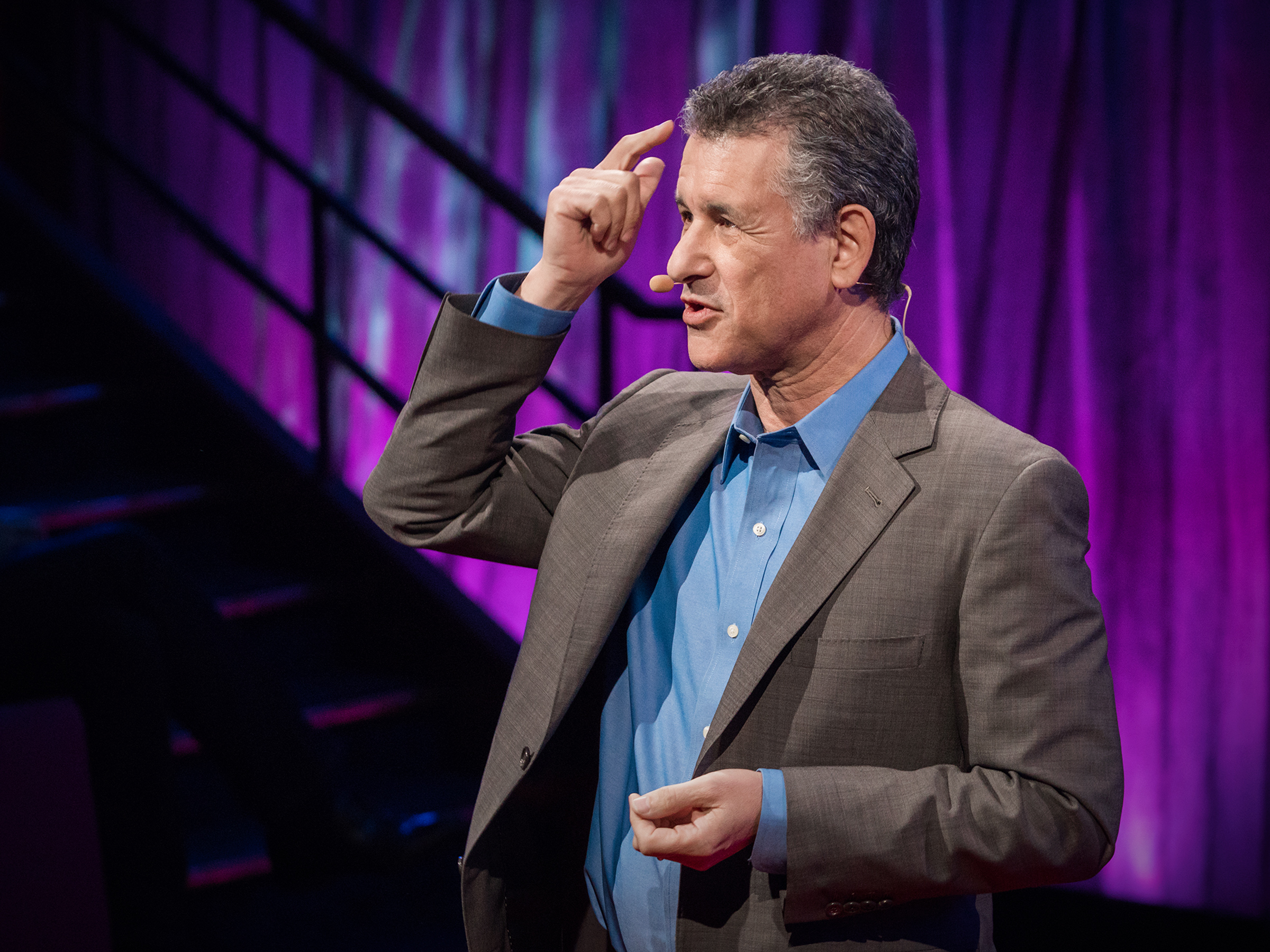
You're not at your best when you're stressed. In fact, your brain has evolved over millennia to release cortisol in stressful situations, inhibiting rational, logical thinking but potentially helping you survive, say, being attacked by a lion. Neuroscientist Daniel Levitin thinks there's a way to avoid making critical mistakes in stressful situations, when your thinking becomes clouded -- the pre-mortem. "We all are going to fail now and then," he says. "The idea is to think ahead to what those failures might be."

neurosciencehealth
Explore content

The habits of happiness

What is happiness, and how can we all get some? Biochemist turned Buddhist monk Matthieu Ricard says we can train our minds in habits of well-being, to generate a true sense of serenity and fulfillment.

healthneuroscience
Explore content

The new bionics that let us run, climb and dance

Hugh Herr is building the next generation of bionic limbs, robotic prosthetics inspired by nature's own designs. Herr lost both legs in a climbing accident 30 years ago; now, as the head of the MIT Media Lab’s Biomechatronics group, he shows his incredible technology in a talk that's both technical and deeply personal — with the help of ballroom dancer Adrianne Haslet-Davis, who lost her left leg in the 2013 Boston Marathon bombing, and performs again for the first time on the TED stage.

technologyhealth
Explore content

Why do we sleep?

Russell Foster is a circadian neuroscientist: He studies the sleep cycles of the brain. And he asks: What do we know about sleep? Not a lot, it turns out, for something we do with one-third of our lives. In this talk, Foster shares three popular theories about why we sleep, busts some myths about how much sleep we need at different ages -- and hints at some bold new uses of sleep as a predictor of mental health.

neurosciencehealth
Explore content

The game that can give you 10 extra years of life

When game designer Jane McGonigal found herself bedridden and suicidal following a severe concussion, she had a fascinating idea for how to get better. She dove into the scientific research and created the healing game, SuperBetter. In this moving talk, McGonigal explains how a game can boost resilience -- and promises to add 7.5 minutes to your life.

healthpsychology
Explore content