CAPIVERSO / Vídeos

Vídeos.

Explora el inglés a tu ritmo. Lee, escucha y aprende, un descubrimiento a la vez.

psychology

The psychology of evil

Philip Zimbardo knows how easy it is for nice people to turn bad. In this talk, he shares insights and graphic unseen photos from the Abu Ghraib trials. Then he talks about the flip side: how easy it is to be a hero, and how we can rise to the challenge.

psychologysociety
Explorar contenido

A kinder, gentler philosophy of success

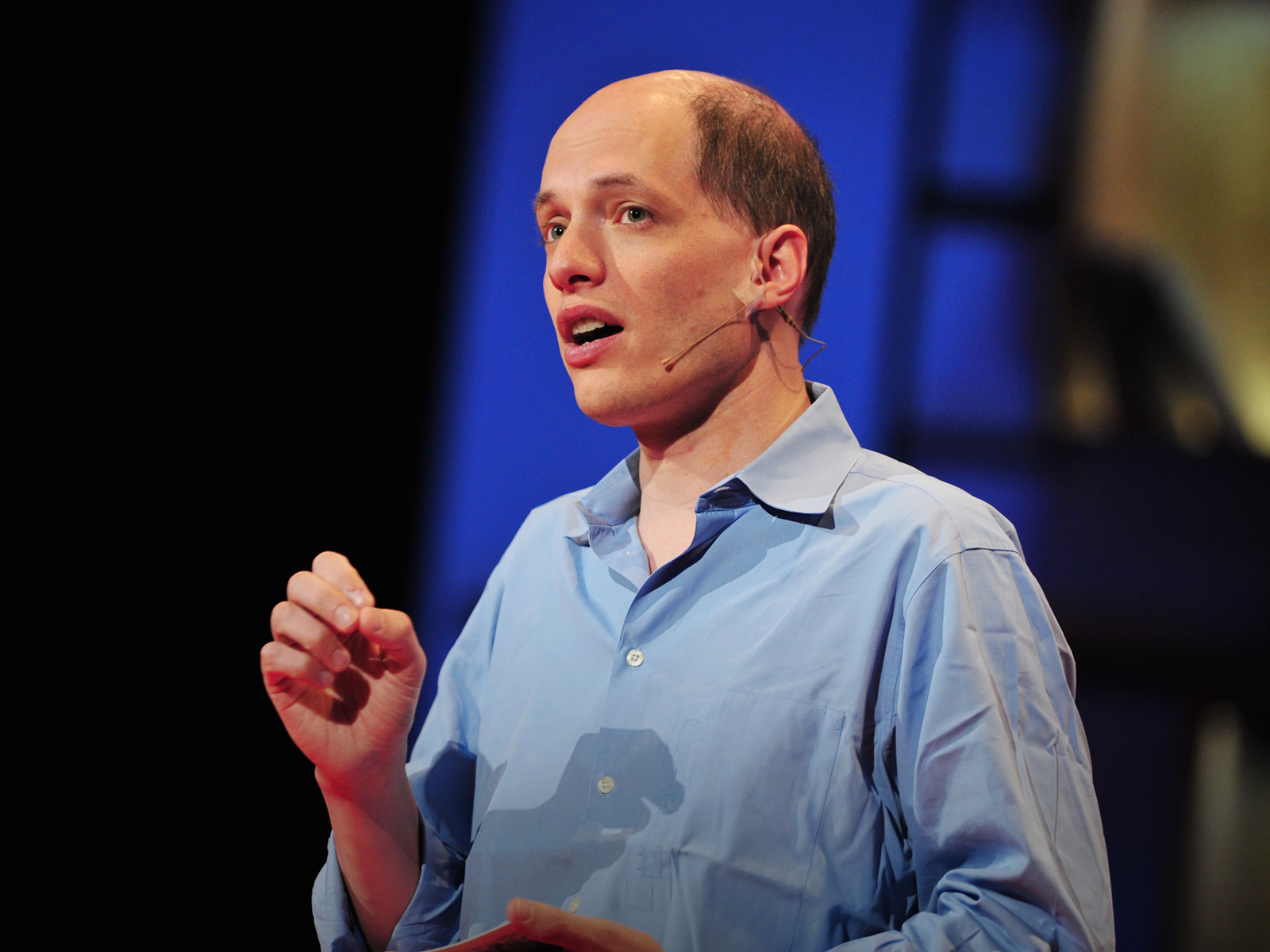
Alain de Botton examines our ideas of success and failure -- and questions the assumptions underlying these two judgments. Is success always earned? Is failure? He makes an eloquent, witty case to move beyond snobbery to find true pleasure in our work.

psychologymotivation
Explorar contenido

The power of believing that you can improve

Carol Dweck researches “growth mindset” — the idea that we can grow our brain's capacity to learn and to solve problems. In this talk, she describes two ways to think about a problem that’s slightly too hard for you to solve. Are you not smart enough to solve it … or have you just not solved it yet? A great introduction to this influential field.

educationpsychology
Explorar contenido

Why people believe weird things

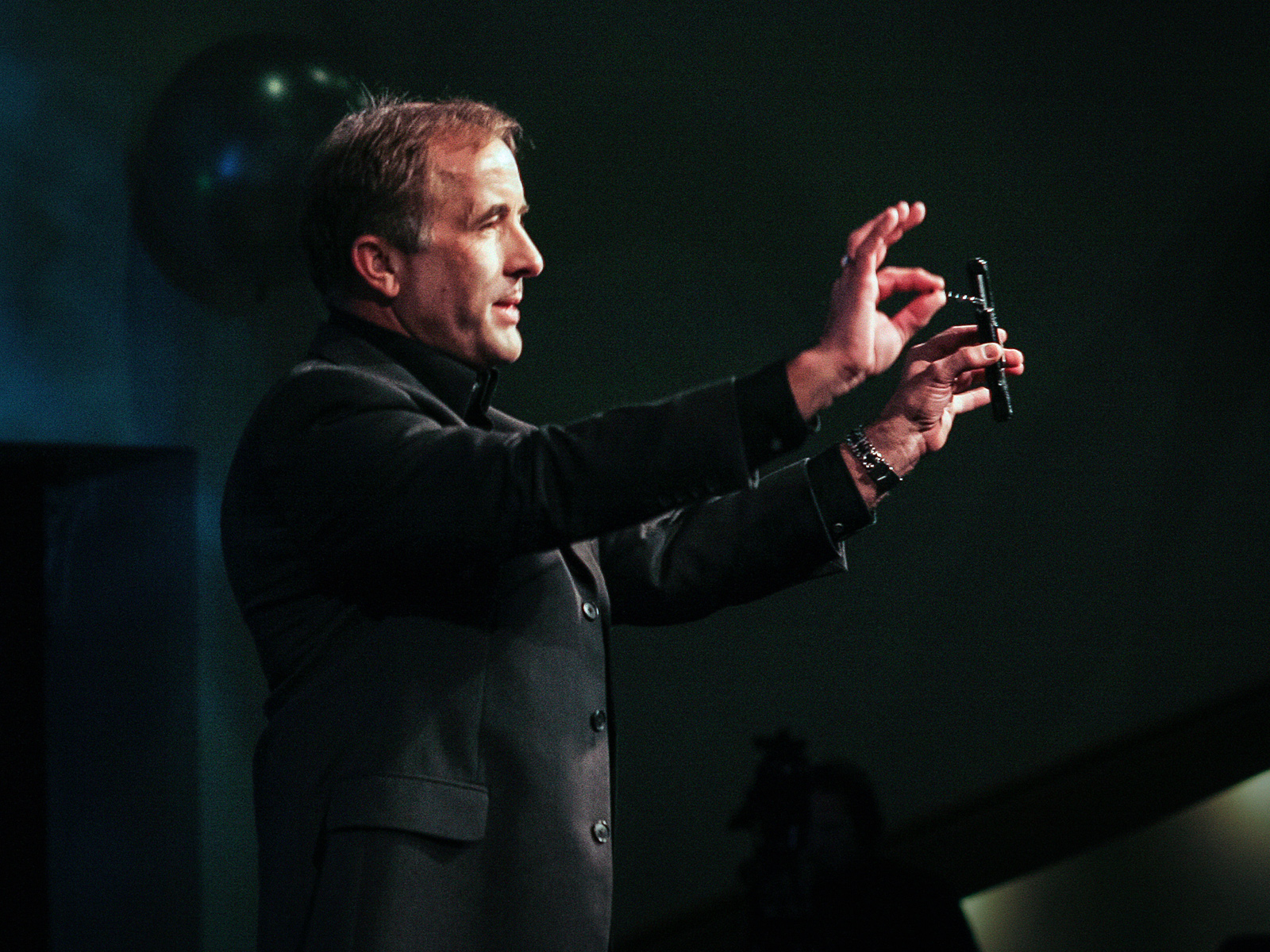
Why do people see the Virgin Mary on a cheese sandwich or hear demonic lyrics in "Stairway to Heaven"? Using video and music, skeptic Michael Shermer shows how we convince ourselves to believe -- and overlook the facts.

sciencepsychology
Explorar contenido

What makes us feel good about our work?

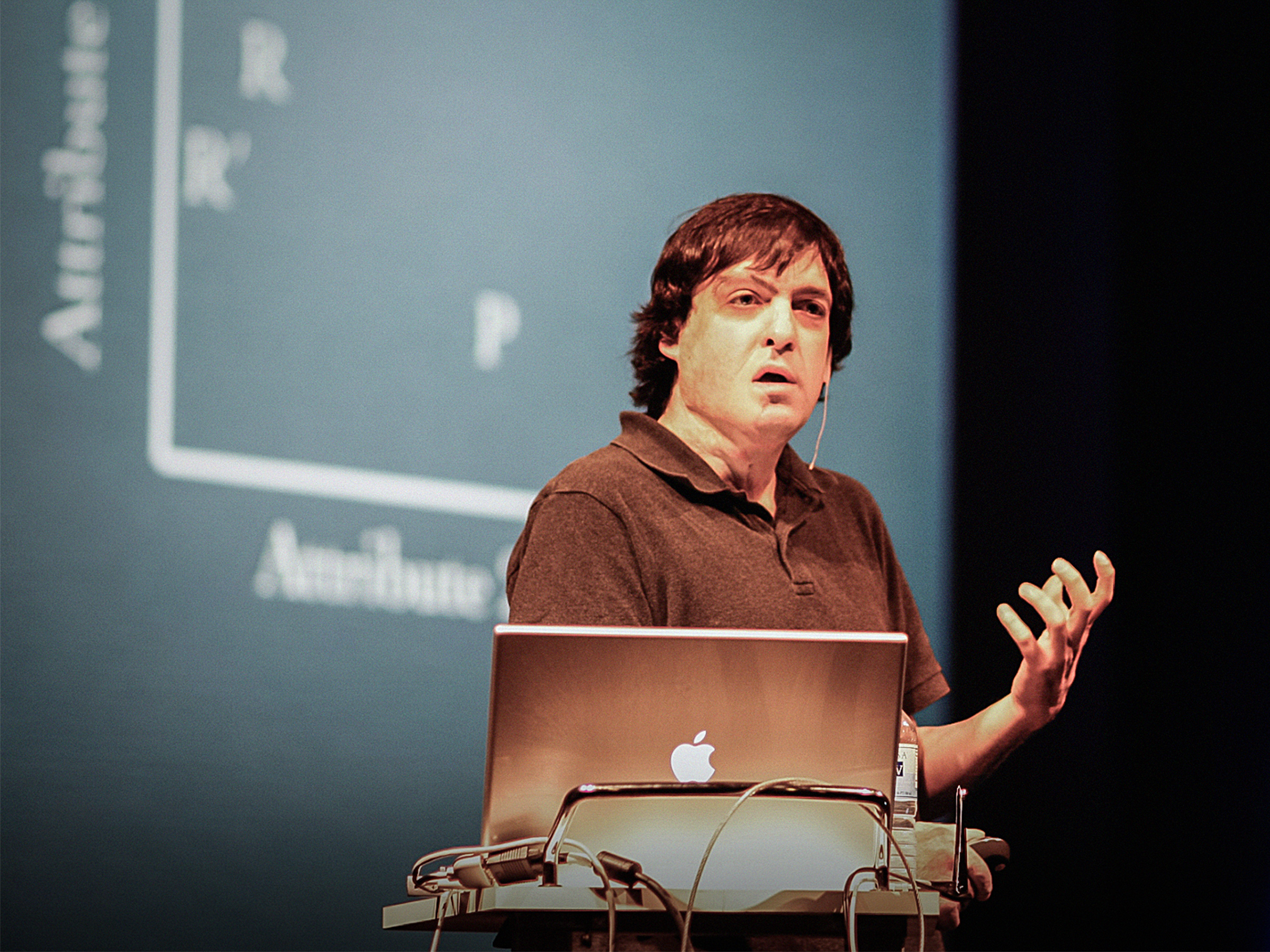
What motivates us to work? Contrary to conventional wisdom, it isn't just money. But it's not exactly joy either. It seems that most of us thrive by making constant progress and feeling a sense of purpose. Behavioral economist Dan Ariely presents two eye-opening experiments that reveal our unexpected and nuanced attitudes toward meaning in our work.

productivitypsychology
Explorar contenido

Are we in control of our own decisions?

Behavioral economist Dan Ariely, the author of Predictably Irrational, uses classic visual illusions and his own counterintuitive (and sometimes shocking) research findings to show how we're not as rational as we think when we make decisions.

psychologyproductivity
Explorar contenido