CAPIVERSO / Videos

Videos.

Explore English at your own pace. Read, listen and learn, one discovery at a time.

All

Try something new for 30 days

Is there something you've always meant to do, wanted to do, but just ... haven't? Matt Cutts suggests: Try it for 30 days. This short, lighthearted talk offers a neat way to think about setting and achieving goals.

motivationproductivity
Explore content

A performance of "Mathemagic"

In a lively show, mathemagician Arthur Benjamin races a team of calculators to figure out 3-digit squares, solves another massive mental equation and guesses a few birthdays. How does he do it? He’ll tell you.

artseducation
Explore content

Fly with the Jetman

Strapped to a jet-powered wing, Yves Rossy is the Jetman -- flying free, his body as the rudder, above the Swiss Alps and the Grand Canyon. After a powerful short film shows how it works, Rossy takes the TEDGlobal stage to share the experience and thrill of flying.

technologymotivation
Explore content

Strange answers to the psychopath test

Is there a definitive line that divides crazy from sane? With a hair-raising delivery, Jon Ronson, author of The Psychopath Test, illuminates the gray areas between the two. (With live-mixed sound by Julian Treasure and animation by Evan Grant.)

psychologysociety
Explore content

Teach every child about food

Sharing powerful stories from his anti-obesity project in Huntington, West Virginia -- and a shocking image of the sugar we eat -- TED Prize winner Jamie Oliver makes the case for an all-out assault on our ignorance of food.

healtheducation
Explore content

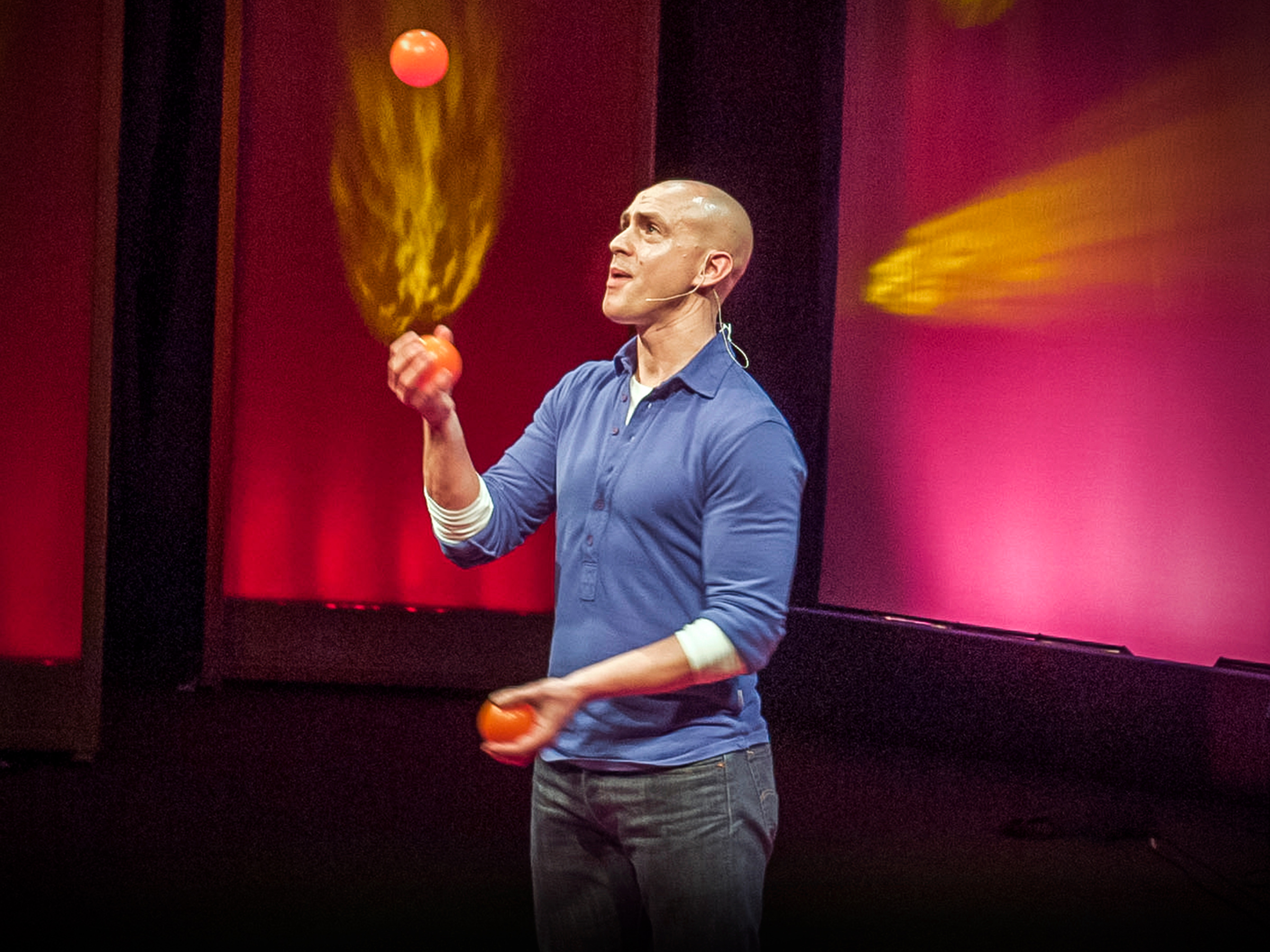
All it takes is 10 mindful minutes

When is the last time you did absolutely nothing for 10 whole minutes? Not texting, talking or even thinking? Mindfulness expert Andy Puddicombe describes the transformative power of doing just that: Refreshing your mind for 10 minutes a day, simply by being mindful and experiencing the present moment. (No need for incense or sitting in uncomfortable positions.)

healthpsychology
Explore content

Listening to shame

Shame is an unspoken epidemic, the secret behind many forms of broken behavior. Brené Brown, whose earlier talk on vulnerability became a viral hit, explores what can happen when people confront their shame head-on. Her own humor, humanity and vulnerability shine through every word.

psychologycommunication
Explore content

Rethinking infidelity ... a talk for anyone who has ever loved

Infidelity is the ultimate betrayal. But does it have to be? Relationship therapist Esther Perel examines why people cheat, and unpacks why affairs are so traumatic: because they threaten our emotional security. In infidelity, she sees something unexpected — an expression of longing and loss. A must-watch for anyone who has ever cheated or been cheated on, or who simply wants a new framework for understanding relationships.

psychologysociety
Explore content

My escape from North Korea

As a child growing up in North Korea, Hyeonseo Lee thought her country was “the best on the planet.” It wasn't until the famine of the 90s that she began to wonder. She escaped the country at 14, to begin a life in hiding, as a refugee in China. Hers is a harrowing, personal tale of survival and hope -- and a powerful reminder of those who face constant danger, even when the border is far behind.

societycommunication
Explore content

Bring on the learning revolution!

In this poignant, funny follow-up to his fabled 2006 talk, Sir Ken Robinson makes the case for a radical shift from standardized schools to personalized learning -- creating conditions where kids' natural talents can flourish.

educationarts
Explore content

How to stay calm when you know you'll be stressed

You're not at your best when you're stressed. In fact, your brain has evolved over millennia to release cortisol in stressful situations, inhibiting rational, logical thinking but potentially helping you survive, say, being attacked by a lion. Neuroscientist Daniel Levitin thinks there's a way to avoid making critical mistakes in stressful situations, when your thinking becomes clouded -- the pre-mortem. "We all are going to fail now and then," he says. "The idea is to think ahead to what those failures might be."

neurosciencehealth
Explore content